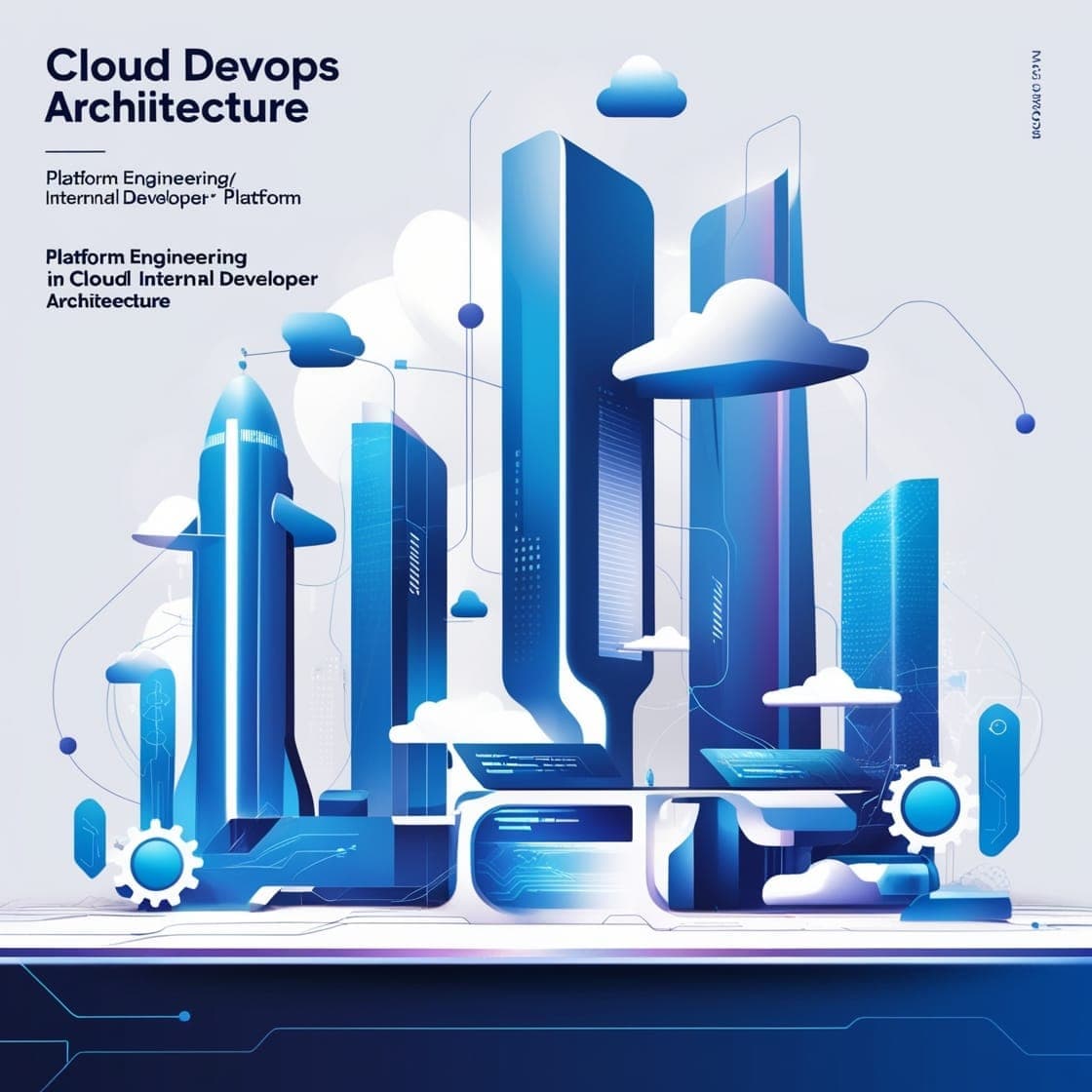
In this landscape, infrastructure automation emerges as a critical component for DevOps teams chasing efficiency, scalability, and reliability in their operations. But which tools actually move the needle here?
The Foundation of Automation
Terraform
Terraform has become indispensable for orchestrating infrastructure as code. With it, you can provision resources across multiple cloud providers declaratively, ensuring consistency and traceability in your configurations.
Orchestration and Containers
Kubernetes and Docker
Docker revolutionized the way we develop and deploy applications, packaging them into lightweight, portable containers. Kubernetes, in turn, offers a robust environment to orchestrate those containers at scale, automating tasks like load balancing, scaling, and self-healing.
Continuous Integration and Continuous Delivery

ArgoCD
To keep development agile, ArgoCD stands out as a native continuous-delivery solution for Kubernetes. It automatically syncs the application’s desired state with the cluster’s current state, making it easy to adopt GitOps practices.
Monitoring and Observability
Prometheus and Grafana
Keeping visibility over system performance and health is fundamental. Prometheus offers a powerful monitoring and alerting system, while Grafana provides interactive dashboards for real-time metric visualization, enabling fast response to incidents.
Cluster Management

Rancher
Rancher simplifies managing multiple Kubernetes clusters across public clouds, private clouds, or hybrid environments. With it, teams can standardize rollouts, apply security policies, and ensure compliance across the entire infrastructure.
Data and Log Analysis

Elastic Stack
The Elastic Stack, made up of Elasticsearch, Logstash, and Kibana, offers a complete solution for collecting, indexing, and visualizing logs and data. That makes it easier to spot patterns, troubleshoot issues, and make data-driven decisions.
Integration with Cloud Services
The real power of these tools is unlocked when combined with cloud services like S3, SQS, SNS, Lambda, and EventBridge. That mix lets you build highly scalable and resilient architectures, meeting enterprise-grade development and operations demands.
A well-designed architecture not only supports growth, it also fuels innovation. By adopting these tools and practices, companies are better equipped to build products and services that stand out in the market, while keeping competitive and adaptable.
Infrastructure automation is no longer optional — it’s a must for organizations looking to thrive in the digital era. The tools listed here not only boost operational efficiency but also free teams to focus on innovation and customer-value delivery.
At CloudScript, we’re specialists in platform engineering and cloud-native solutions. If you want to take your infrastructure to the next level and explore the possibilities of artificial intelligence in disruptive modernization projects, we’re ready to help.
Learn more about our services at www.cloudscript.com.br and discover how we can drive your company’s digital transformation.
See you around!